Elders’ — Preachers’ Meeting Agenda
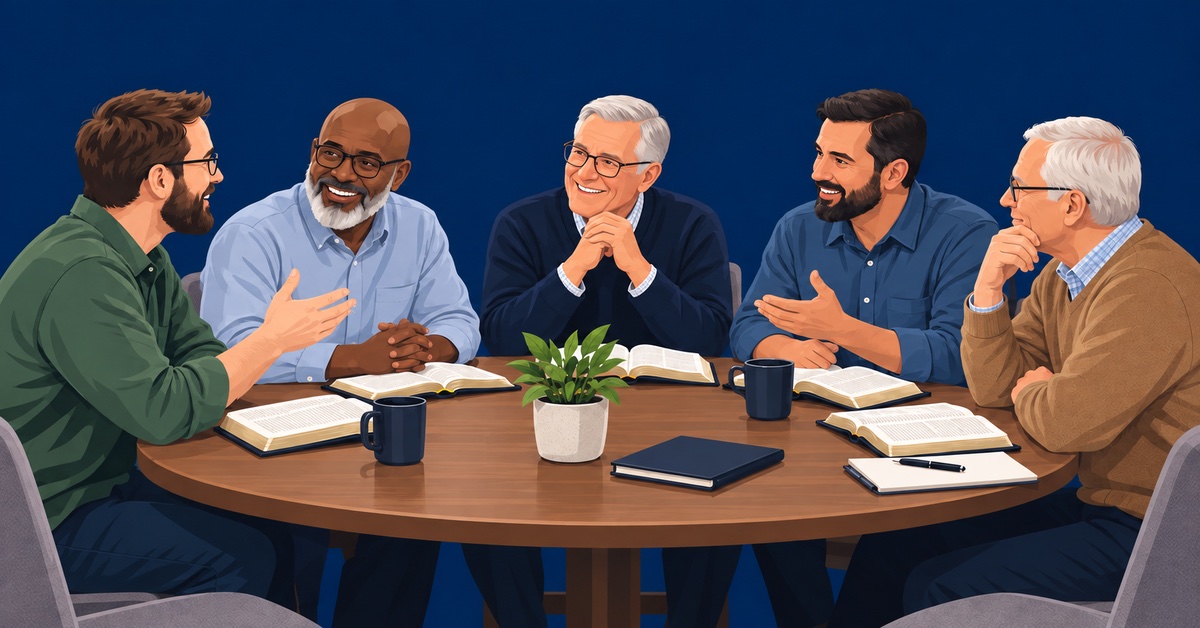
I recently received a question about what to include in a meeting of the elders and preachers.
The first thing to decide is who’ll be included in the meetings. Some elders have a policy that preachers don’t meet with them unless the preacher requests a meeting or they request the preacher to meet with them.
In my years of preaching, I’ve never worked with a congregation that practiced that. From my first work in Yorkville, Tennessee, in 1967 to the present, I’ve always been included in the elders’ meetings.
I’m not an elder, and I don’t expect to be appointed. But I’m thankful I’ve always been included on the leadership team. I’ve had the opportunity to make proposals, discuss suggestions for my work, and give observations about the work of the congregation where I was preaching.
Hartsville Pike Elders-Preachers Meeting Agenda
This is the best meeting arrangement I’ve observed.
We begin with prayer.
We continue with a short Bible study each meeting. We read one chapter each meeting from a book of the Bible selected by drawing one card from those placed by each elder and preacher at the meeting. When we finish a book, we draw another for the next study. We reflect on what we read.
- What did we learn about God?
- What did we learn about ourselves?
- What do we need to do because of what we learned? Total discussion time: 10-15 minutes. One rule I like: “Try not to learn very much. Find a ‘mustard seed’ that I can apply to my life, develop a habit that will make a difference.”
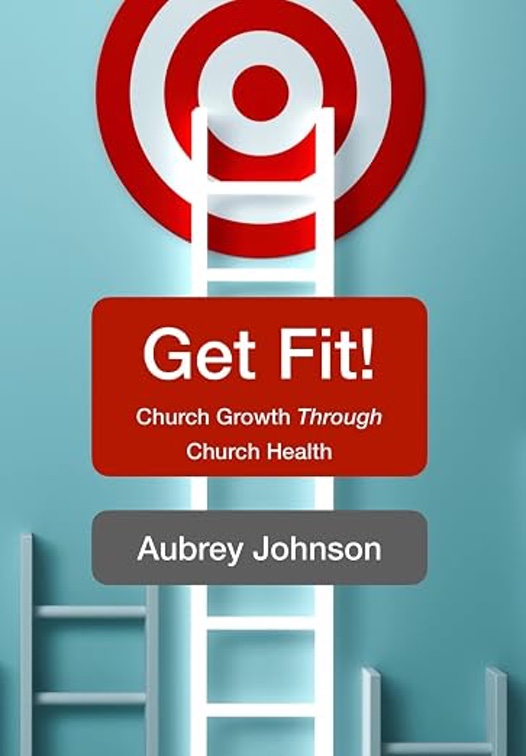
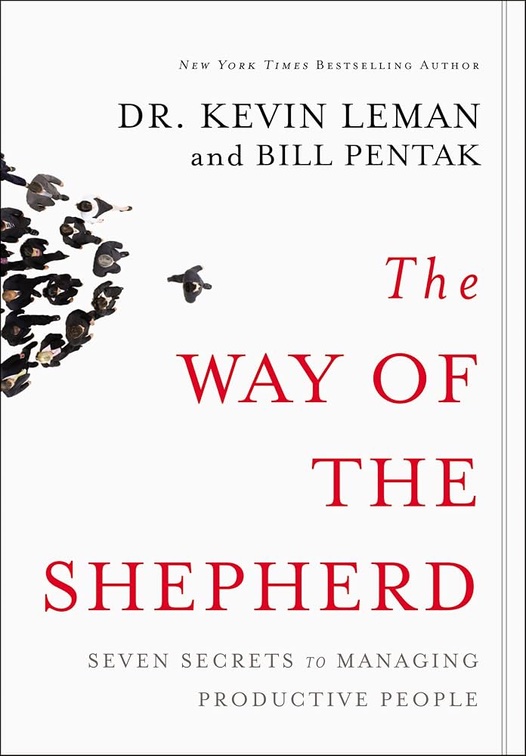
- Team Development. Each person reads a paragraph from a book to help us become better leaders. We spent a little over a year reading Aubrey Johnson’s book, Get Fit!: Church Growth through Church Health. https://amzn.to/4gtRUMy It has 114 pages. We tried not to learn very much each week. We read a little and discussed a lot about how to apply what we were reading. We recently started The Way of the Shepherd: Seven Secrets to Managing Productive People, by Kevin Leman and William Pentak: https://amzn.to/4gq1HDe
- We’re now ready for agenda and report items. We spend most of our time discussing members, their needs, and how we can help. Our elders are trying not to be deacons. They discuss how to offload deacon responsibilities so they can focus on shepherding. They’re currently visiting each family in the church: two elders, one family. They usually do this during Sunday morning and Wednesday night Bible study. The people are already there. They study scriptures on shepherds’ responsibilities and members’ responsibilities to shepherds. They ask how each person became a Christian, how the family is growing in Christ, and what they can pray about. I’d be glad to share more information if you’re interested.
- Preachers are present during most meetings. They view us as part of the leadership team. We aren’t elders. We don’t vote. We have observations and suggestions. I don’t like hearing what the elders have decided I should do during the Sunday morning announcements. We model our relationship on Paul’s meeting with the elders of the church at Ephesus in Acts 20. I can’t imagine Paul meeting with the elders of the church at Ephesus, and after they’ve decided on the color of the carpet in the auditorium or the kind of lawnmower they need to buy to cut the yard, they tell Paul that they are going to talk about some issues with members of the church and he’ll need to leave. I’m told that many of the things that elders talk about are confidential. If your preacher can’t keep confidences, he should never have been asked to work with you.
- Mutual care and prayer. Once a month, we go around the table and tell how we and our families have been doing. We tell the joys and sorrows, the good and the bad. It takes time to build trust in a group that hasn’t had that practice. We need to understand that “what we say here, stays here.” After that, we pray for each other, either one person or we have a group prayer with each praying. I’ve seen: When shepherds shepherd shepherds, shepherds will better shepherd the sheep. When shepherds don’t shepherd shepherds, shepherds probably won’t shepherd the sheep. We get to practice on each other what we should be doing with the congregation. If we don’t have those conversations with each other, do you think those in the congregations will bring us their joys and sorrows? Romans 12:15
You don’t have to change everything at your next elders-preachers meeting. Find one “mustard seed” you can plant. Perhaps it’s spending a few minutes in the Word before discussing the work. Perhaps it’s asking each other, “How’re you and your family doing, and what can we pray about?”
When shepherds shepherd shepherds, shepherds will better shepherd the sheep.
What’s one small change you can make at your next meeting to help you care for each other—and better care for the congregation?
While elder’s meetings are very important and necessary they should not evolve into becoming the essential roll of the elder. If he is to shepherd the sheep he must be seen attending the worship services on a very regular basis (Heb. 10:25). It is essential that he mix and mingle with the congregation. Getting to know the flock and establishing personal relationships will enable him to have good rapport, earn their respect and better able to communicate when issues may come up. Knowing one another and having had prior established personal relationships makes for comradery (a feeling of close friendship, trust, and loyalty shared among people in a group).
From a former elder, thanks,
J, Larry Graham
Larry,
You are on target. You did and do well with that. Meeting should evaluate, plan, and prepare for the mixing with the flock throught the week. Thank you for sharing your wisdom and example.